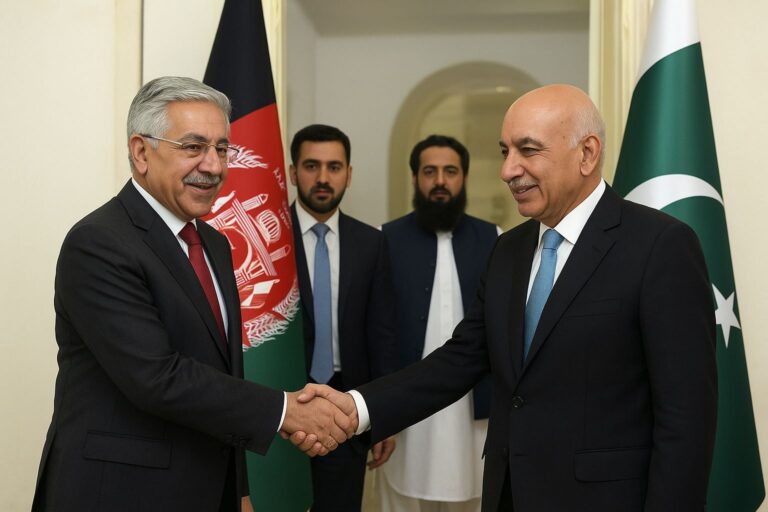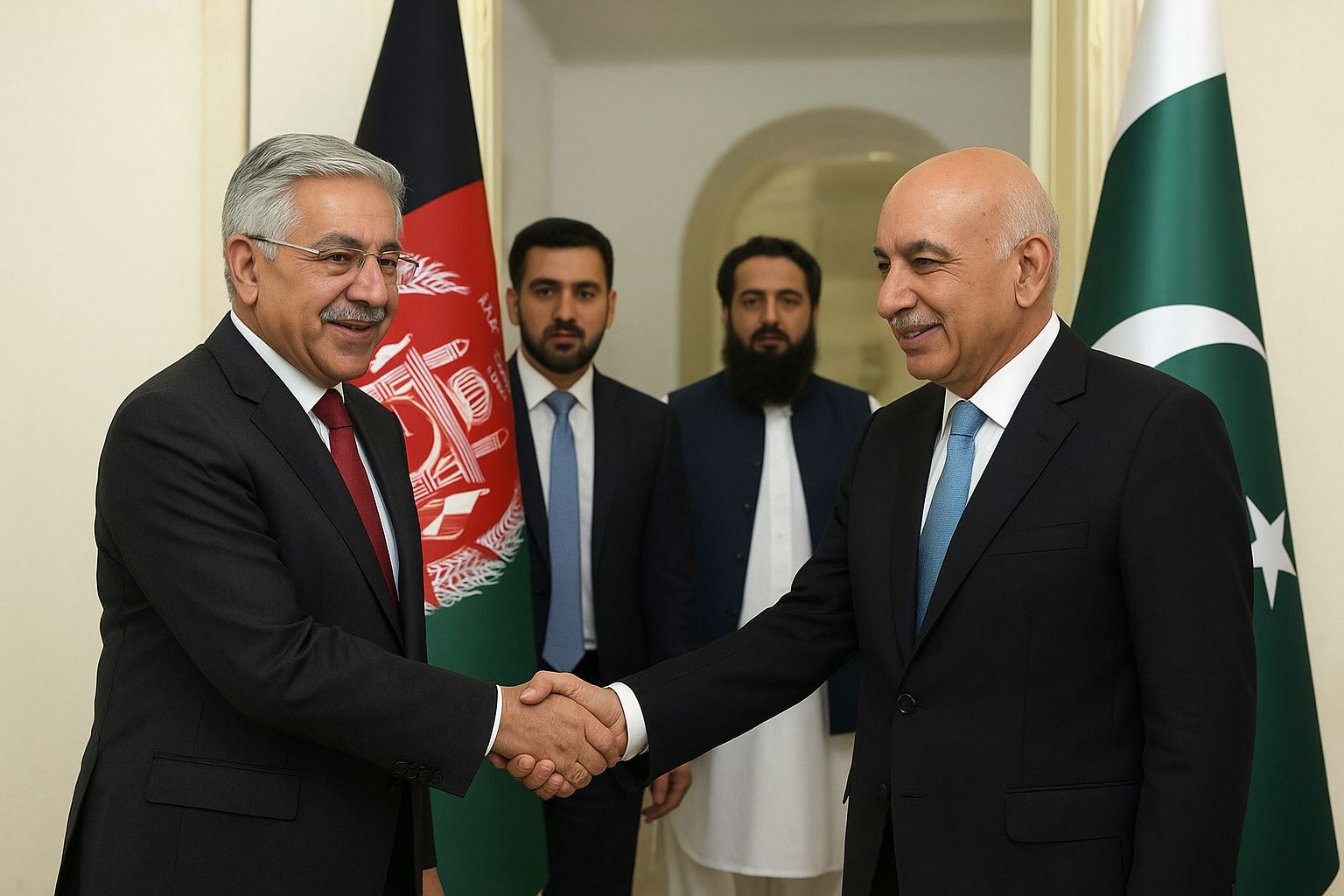
Afghanistan and Pakistan Agree Immediate Ceasefire After Doha Talks
Summary: After repeated and fierce border fighting, Afghanistan and Pakistan have announced an immediate ceasefire following talks in Doha, Qatar. The two nations also pledged to working toward a lasting mechanism to monitor and enforce peace along their shared border. The breakthrough follows days of violent clashes, heavy casualties and rising international concern.
What led to the agreement?
Key elements of the deal
- Both sides agreed to an immediate halt in hostilities and to respect each other’s territorial integrity.
- A monitoring and verification mechanism will be established, under mediation by Qatar and Turkey, to ensure compliance with the agreement.
- A follow-up meeting is scheduled for 25 October in Istanbul to finalize detailed arrangements and ensure implementation.
Why this matters
If the truce holds, it could provide relief for border communities caught between frequent fighting, enable smoother trade flows, and reduce the risk of wider conflict. For Pakistan, it addresses longstanding security concerns; for Afghanistan, it offers a chance to improve relations and reduce external pressure. But experts say the real challenge lies in turning agreement into action, especially in areas with weak governance and ongoing distrust.
What to watch next
- Whether the Istanbul meeting leads to concrete operational steps such as joint border patrols or shared intelligence.
- Whether both countries respect the agreement and avoid renewed strikes or militant attacks.
- The role of mediators (Qatar, Turkey) and whether they can help bridge the trust gap between the two sides.
Final note
The announcement of a ceasefire between Afghanistan and Pakistan offers a hopeful pause, but without real ground-level enforcement and mutual cooperation, it risks being yet another temporary halting of violence rather than a lasting peace. The coming weeks will be crucial in determining whether this accord can endure.